


Moringa oleifera has been called a superfood, a miracle tree, and nature's multivitamin. These are bold claims , but they are not entirely without basis. Moringa leaves contain an extraordinary concentration of nutrients, and a growing body of research supports several of its traditional health uses.
If you have been curious about adding moringa powder to your daily routine, here is what the evidence says , and what you might realistically expect.
1. A Natural Nutritional Boost
A single teaspoon (about 3,5g) of high-quality moringa leaf powder contains meaningful amounts of vitamin C, vitamin A, calcium, potassium, and iron. For vegetarians and vegans who may struggle to meet micronutrient targets from diet alone, moringa is a remarkably efficient supplement , providing a spectrum of vitamins and minerals in a single ingredient.
Unlike synthetic supplements, moringa's nutrients come packaged with co-factors and phytochemicals that aid absorption , a key advantage of whole-food nutrition over isolated supplements.
2. Antioxidant Protection
Moringa leaves contain quercetin, chlorogenic acid, and beta-carotene , all well-established antioxidants. These compounds help protect the body's cells from oxidative damage caused by free radicals. Over time, reduced oxidative stress is associated with lower risk of chronic disease and slower cellular ageing.
Studies have found that regular moringa consumption can increase antioxidant enzyme activity in the body, meaning your system gets better at protecting itself.
3. Anti-Inflammatory Properties
Chronic low-grade inflammation is increasingly understood as an underlying factor in conditions ranging from diabetes to heart disease to skin disorders. Moringa contains isothiocyanates and other bioactive compounds that have demonstrated anti-inflammatory effects in research settings.
This is part of why moringa has a long history of use in Ayurvedic medicine for conditions linked to inflammation.
4. Supports Healthy Blood Sugar Regulation
Several studies have found that moringa leaf extract can help lower fasting blood glucose levels. The mechanism appears to involve compounds that slow sugar absorption and improve insulin sensitivity. While moringa is not a substitute for medical treatment of diabetes, it can be a supportive addition to a balanced, low-sugar diet for those managing blood sugar levels.
5. May Help Lower Cholesterol
Moringa has shown promise in reducing LDL cholesterol (the "bad" kind) in animal and early human studies. Its plant sterols and fibre content are thought to interfere with cholesterol absorption in the gut. Combined with a heart-healthy lifestyle, moringa could be a useful natural complement.
6. Supports Bone Density and Strength
Moringa is one of the richest plant sources of calcium available , gram for gram, it contains more calcium than milk. It also contains vitamin K, which is essential for calcium metabolism and bone mineralisation. For those on dairy-free diets or at risk of osteoporosis, moringa is a genuinely useful addition.
7. Boosts Energy Without Caffeine
Many people who add moringa to their morning routine report improved energy and alertness , without the jitteriness or afternoon crash associated with caffeine. This is likely due to moringa's high iron and B-vitamin content, both of which are essential for cellular energy production.
Iron deficiency is extremely common in India , particularly among women and adolescents , and its symptoms (fatigue, brain fog, poor concentration) are often misattributed to stress or poor sleep. Moringa's bioavailable iron may help address this gap when consumed consistently.
8. Supports Immunity Year-Round
Vitamin C, vitamin A, zinc, and iron are all key nutrients for immune function , and moringa contains all four. Regular consumption helps maintain immune resilience, which matters especially during seasonal changes when respiratory infections are most common.
9. Benefits for Skin and Hair
The combination of antioxidants, vitamin C (essential for collagen synthesis), and vitamin E makes moringa a notable nutrient for skin health. Some users report improvements in skin brightness and texture over consistent use. Moringa oil , derived from the seeds , is also used topically in skincare, but leaf powder consumed internally provides systemic support.
10. Supports Lactating Mothers
Moringa has a long traditional use in many parts of Asia as a galactagogue , a substance that supports breast milk production. Modern studies have found some evidence supporting this, making it a popular supplement for nursing mothers. As with any supplement during lactation, it is worth discussing with a healthcare provider first.
How to Take Moringa Powder Daily
The recommended starting dose is 1 teaspoon (about 3,5g) per day, gradually increased to 2 teaspoons as tolerated. Common ways to consume it:
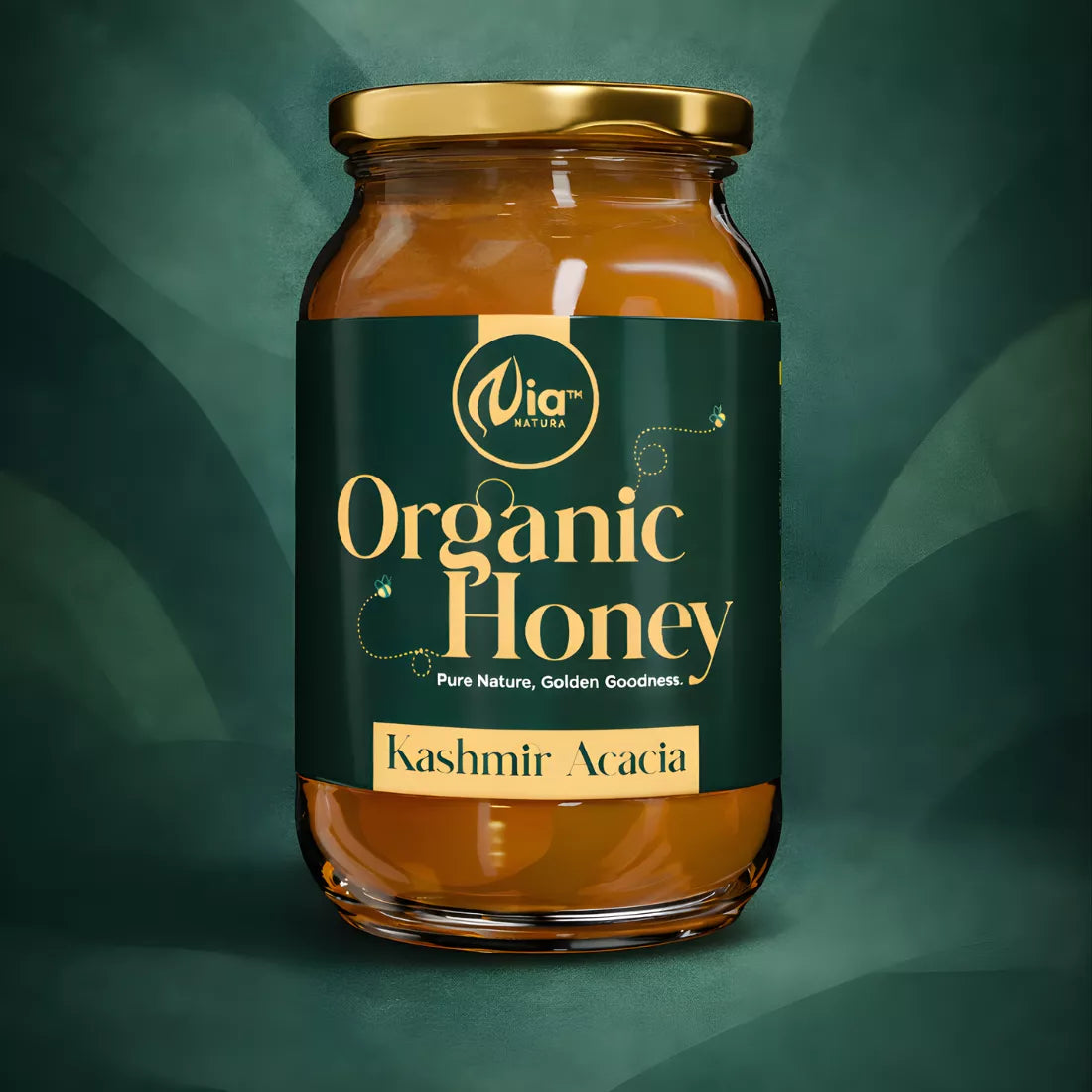
● Stirred into a glass of water with lemon and honey
● Blended into a smoothie or protein shake
● Mixed into a morning glass of warm water
● Added to dal, khichdi, or soups (add at the end to preserve heat-sensitive nutrients)
● Sprinkled over yoghurt or salad
Start with smaller amounts if you have a sensitive stomach, and increase gradually.
Explore Nia Natura's premium moringa powder at nianatura.in/products/moringa-powder. Use code MORINGA50 for Rs. 50 off.
Leave a comment