

Honey is one of nature's most complete foods , and for many Indian families, it has been a household staple for generations. Grandmothers reaching for the honey jar when a child has a cold is not just tradition. There is real nutritional and medicinal value behind it.
But parents today are rightly more cautious and more informed. They want to know exactly what is safe, what is beneficial, and how to use honey responsibly for their children. This guide answers all of those questions.
The Most Important Safety Rule: No Honey Under 12 Months
This cannot be overstated. Honey , including raw, organic, pure honey of any kind , should never be given to infants under 12 months of age.
The reason is Clostridium botulinum, a bacterium whose spores can naturally occur in honey. In adults and older children, the digestive system is mature enough to handle these spores without issue. In infants under one year, the gut is not yet developed enough to do so, and exposure can cause infant botulism , a rare but serious condition.
After 12 months, this risk is no longer a concern. The NHS, WHO, and Indian paediatric guidelines all align on this point.
Health Benefits of Organic Honey for Children (Ages 1 and Above)
1. Natural Cough Relief This is one of the most research-backed uses of honey in children. Multiple studies , including those published in peer-reviewed paediatric journals , have found that honey is as effective as or more effective than common cough suppressants for relieving nighttime coughs in children.
A teaspoon of raw honey before bed during a cough or cold is a time-tested remedy that works. Nia Natura's Ginger Honey or Lemon Honey are particularly well-suited for this purpose.
2. Natural Immunity Support Raw honey's antibacterial, antioxidant, and antimicrobial properties support overall immune function. Children who are frequently exposed to infections , at school, in playgrounds, in shared spaces , benefit from the regular, low-dose immunity support that honey provides.
3. A Better Alternative to Refined Sugar Many children consume far too much refined sugar , through biscuits, juices, desserts, and flavoured dairy products. Replacing sugar with honey in their food and drinks is a meaningful health upgrade. Honey has more nutritional complexity, a lower glycaemic impact, and natural enzymes that refined sugar lacks entirely.
4. Digestive Support Honey's prebiotic properties support the development and maintenance of a healthy gut microbiome, which is particularly important during the years when a child's gut flora is still maturing.
5. Topical Use for Minor Scrapes and Burns Applied to minor cuts, insect bites, or small burns, raw honey creates a protective, antibacterial environment that supports healing. It is gentle, natural, and effective, and children generally tolerate it better than antiseptic creams.
How to Give Honey to Children Safely
-
Always wait until the child is at least 12 months old
-
Start with small amounts , half a teaspoon , and observe for any reactions
-
Never add honey to hot liquids; wait until the drink has cooled to a warm temperature
-
Store honey at room temperature and use a clean, dry spoon each time
-
For cough and immunity, a teaspoon before bed is effective and easy to administer
Which Nia Natura Honey Is Best for Children?
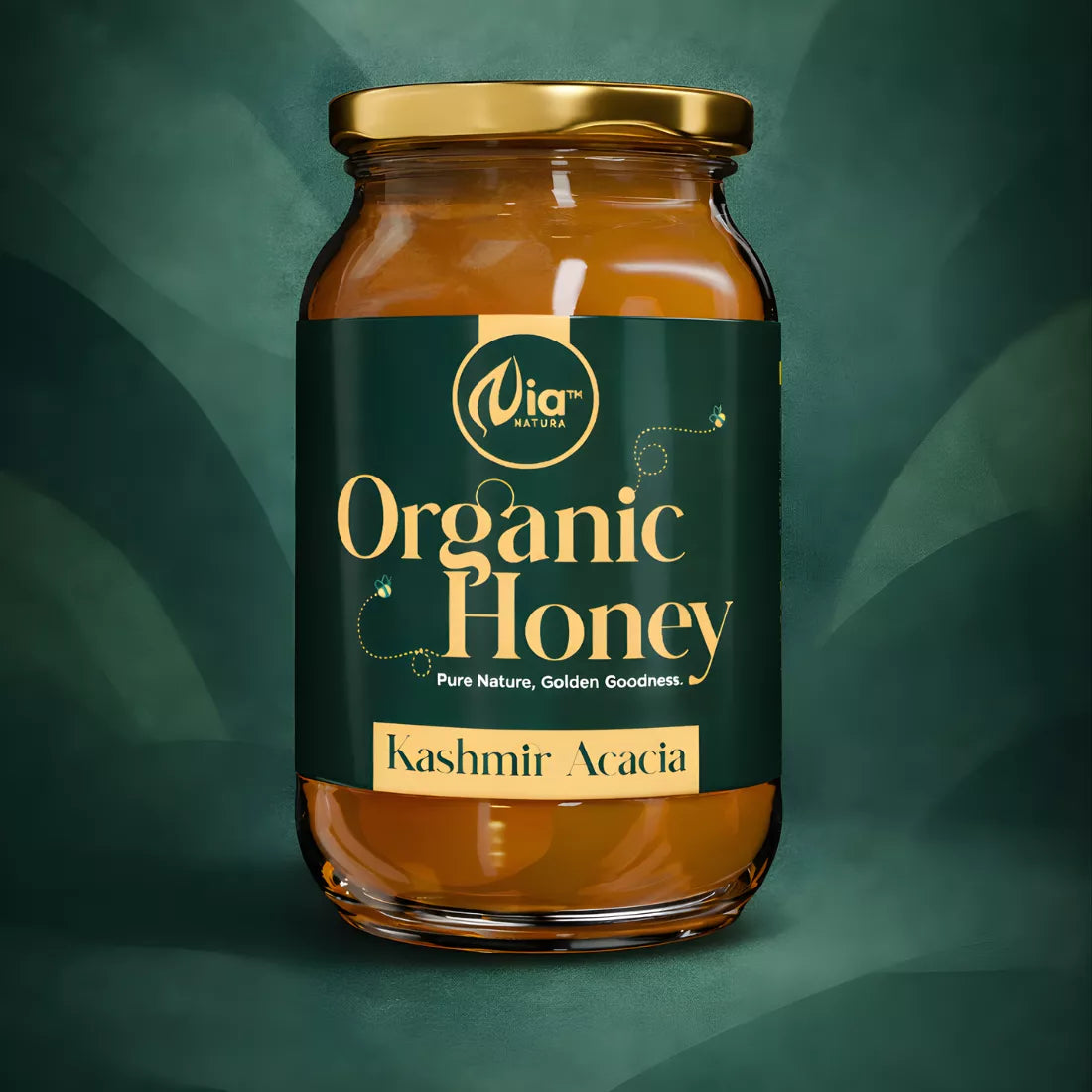
For daily use, Himalayan Honey or Multiflora Honey are excellent , mild, balanced, and versatile. For cough and cold support, Ginger Honey and Lemon Honey are particularly effective. For gut health, any raw organic honey works well.
All Nia Natura honeys are raw and free from additives, making them safe and appropriate for children over 12 months.
Explore the full range at nianatura.in.
Leave a comment